RUDN University
An international university and research and education centre bringing together research, teaching and applied projects in sustainable development.
Nature-based solutions for a healthy city
Nature-based solutions for a healthy city
RUDN University · 6 Miklukho-Maklaya Street, Moscow
An international university and research and education centre bringing together research, teaching and applied projects in sustainable development.
A Moscow executive authority responsible for the city’s environmental policy, environmental monitoring, nature conservation and environmental education.
SSC-2026 brings together researchers, planners, public authorities, businesses and professional communities. The conference theme is nature-based solutions for a healthy city.
Advanced methods for monitoring and modelling urban environments, green infrastructure, climate, air, water bodies and soils.
Approaches applicable to urban planning, landscaping, greening and natural-resource management.
Discussion of standards, tools and responsibilities involving researchers, public authorities, businesses and the expert community.
The detailed conference programme is available on a separate page, with a day-by-day schedule, search by name or affiliation, session programmes and a catalogue of poster presentations.
A plenary session, five scientific sessions, four round tables, three master classes, invited talks and a poster session.
On September 9, 2026 at 13:00, a ceremonial planting of the “Friendship Garden” will take place in the park area of RUDN University in Moscow. RUDN University and JSC Rosselkhozbank will plant apple and pear trees — a living symbol of partnership, creation, cultural unity and responsible care for nature as part of the Year of Unity of the Peoples of Russia.
The event continues the practical agenda of SSC-2026: the principles of sustainable development and responsible care for nature are translated into a concrete action on the university campus. The planted fruit trees will become a long-term contribution to the environmental well-being of the area and a symbol of cooperation among students, researchers and partners from different countries.
The sessions cover the principal research and practice areas associated with environmentally sustainable urban development.
Conveners: Natalia Chukhraeva, Moscow Department of Nature Management and Environmental Protection; Elvira Dovletyarova, RUDN University.
The sustainable development of urban green infrastructure is a key factor in creating a comfortable and environmentally safe urban environment. Modern approaches to its design and management are based on assessing and forecasting the ecosystem functions and services of green spaces and integrating the results into new landscaping projects.
This session will explore advanced technologies for monitoring and assessing green spaces from environmental, economic and legal perspectives. Topics include instrumental and remote-sensing inventory methods, IoT-based monitoring, green-space planning and forecasting the environmental, economic and social benefits of greening.
Special attention will be paid to regulations and best practices for functional greening. Researchers, landscape planners, landscaping and urban-greening professionals, and experts in legal regulation and urban green-infrastructure management are invited to participate.
Conveners: Sergey Chalov, Lomonosov Moscow State University; Anvar Kasimov, Sultan Qaboos University.
Urban development has historically been inseparable from water bodies. Rivers, ponds and canals are key components of the urban landscape, providing logistical, recreational, aesthetic and ecological functions. Urbanization continuously changes their spatial structure and condition, while climate change further increases water-related risks.
Pluvial flooding has become a persistent urban problem, and solutions for capturing, treating and retaining surface runoff are increasingly important. The session will discuss how urban water-management approaches are changing in response to a changing climate.
Advanced approaches to multi-scale hydrological monitoring and modelling will be examined. Considerable attention will be paid to modelling water flows in soils and layered soil constructions as a basis for landscape engineering and nature-based solutions for capturing, storing and treating surface runoff.
A separate block will address legal and institutional barriers and standards for integrating blue-green solutions into urban design. Hydrologists, ecologists, urban planners and landscape engineers interested in redefining urban water as a resource rather than merely a risk are invited to join the discussion.
Conveners: Alexander Chernokulsky, A. M. Obukhov Institute of Atmospheric Physics, Russian Academy of Sciences; Evgeny Mortikov, Lomonosov Moscow State University.
Clean air and a comfortable microclimate are defining factors in urban quality of life. Although urbanization is a major source of anthropogenic climate impacts, large cities are especially vulnerable to heatwaves, pluvial flooding and extreme wind gusts.
Air pollution from industry and transport directly affects public health. Urban green infrastructure can reduce these risks through cooling and particulate-matter deposition. Assessing and forecasting these ecosystem functions is essential for sustainable urban development.
The session will discuss advanced approaches to monitoring, modelling and assessing urban climate and air quality, together with climate-adaptation and pollution-mitigation measures.
Special attention will be paid to nature-based technologies and green solutions that improve thermal comfort and air quality through shading, evapotranspiration, albedo enhancement and ventilation, and to their integration into urban design at both city and project scales.
A separate block will focus on remote sensing, meso- and microclimatic models, machine learning, IoT sensors, participatory practices and living labs. Climatologists, ecologists, urban planners, landscape architects and green-infrastructure specialists are invited to participate.
Conveners: Andrey Smagin, Lomonosov Moscow State University; Sergey Gorbov, Sirius University of Science and Technology.
Soil is a key urban ecosystem component. It supports vegetation and soil organisms, absorbs and transforms pollutants, and helps maintain biodiversity.
Modern sustainable-development practices rely on the rational management of urban soils as an important natural resource and require up-to-date data on their condition, functioning and health.
The high spatial heterogeneity and dynamics of urban soils require advanced methods, including real-time monitoring of soil functions, process-based models of carbon, heat, water and solute fluxes, digital soil mapping and proximal field-sensing methods.
The session will discuss the role of urban soils in sustainable urban functioning and environmental safety, as well as advanced approaches to modelling, monitoring and assessing soil ecosystem functions within the soil-health concept.
Considerable attention will be paid to soil-construction technologies for creating soils with specific functions, including bioremediation, stormwater retention and carbon sequestration. These approaches are especially relevant in Arctic, arid and saline regions with low native-soil fertility.
Current knowledge will be discussed in the context of regulatory frameworks, soil-quality control, soil-resource management, and the design and maintenance of urban greening and landscaping. Researchers, municipal services, soil producers and environmental-regulation experts are invited to participate.
Conveners: Vyacheslav Vasenev, RUDN University; Anton Shiryaev, Institute of Plant and Animal Ecology, Ural Branch of the Russian Academy of Sciences.
Assessing the environmental condition and ensuring the sustainable development of urban and technogenic areas in the Russian Arctic are priority areas for research and for implementing strategic programmes and investment projects.
The region’s high resource potential drives comprehensive economic development, encompassing not only industrial and mining enterprises but also the creation of a comfortable and safe urban environment. The sustainability of Arctic cities depends on environmental and socio-economic factors, urban quality and public safety.
Effective solutions require an integrated interdisciplinary approach, along with the knowledge and infrastructure needed for monitoring, modelling and designing sustainable ecosystems under Arctic conditions.
Urban green infrastructure plays a decisive role in creating a comfortable environment and provides important ecosystem functions and services. Their assessment and forecasting form the basis for sustainable greening under extreme climatic conditions.
The session will address the analysis and environmental assessment of urban and technogenic landscapes in the Russian Arctic, from pre-design surveys and sociological research to concepts and maintenance regulations.
Special attention will be paid to IoT sensors, living labs, digital twins and nature-based solutions for land remediation, carbon sequestration and biodiversity restoration, as well as citizen science, participatory design and environmental education.
Urban planners and greening professionals, soil scientists, dendrologists, climatologists, hydrologists, public authorities, civil-society organizations and practitioners working on sustainable Arctic cities are invited to participate.
The round tables address practical aspects of managing green infrastructure and natural capital and applying emerging technologies.
Led by Anna Myazina, Moscow Institute of Psychoanalysis.
Led by Irina Zenkova, Kola Science Centre of the Russian Academy of Sciences.
Led by Vladimir Myazin, RUDN University.
The international summer school focuses on monitoring, modelling and managing urban green infrastructure and soils. Its programme combines lectures, practical classes and project work in interdisciplinary teams.
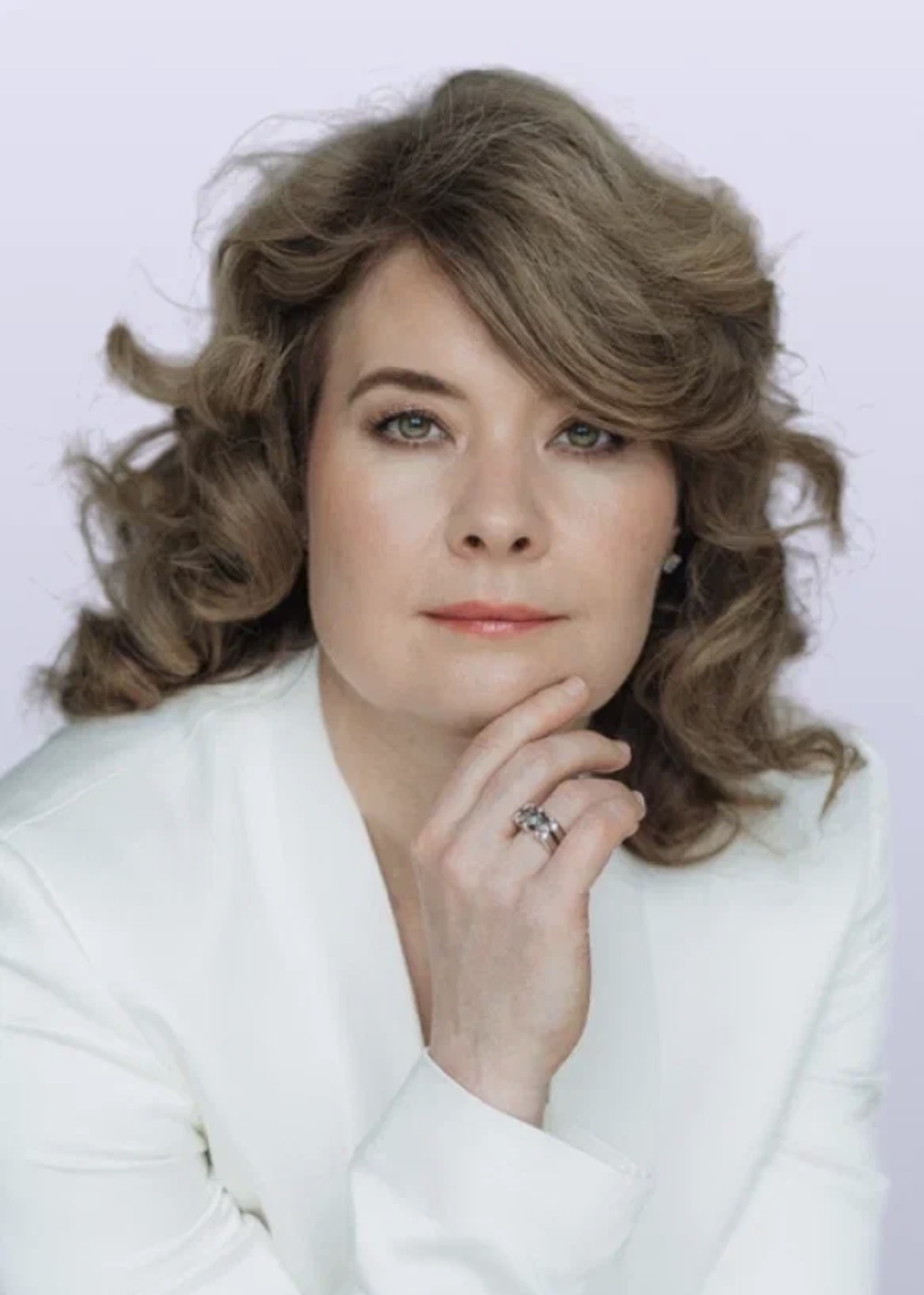
Head of the Moscow Department of Nature Management and Environmental Protection
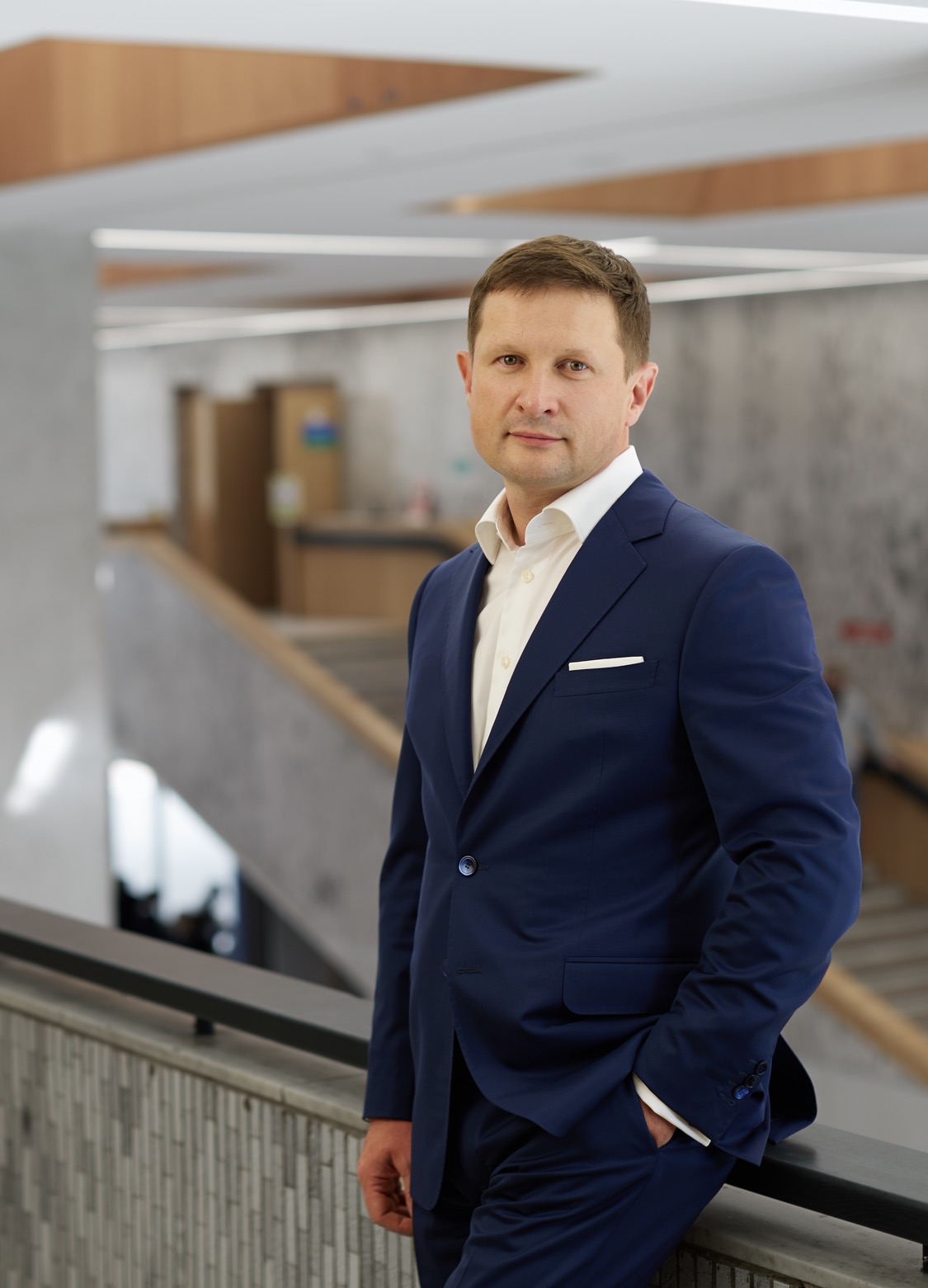
Rector of RUDN University
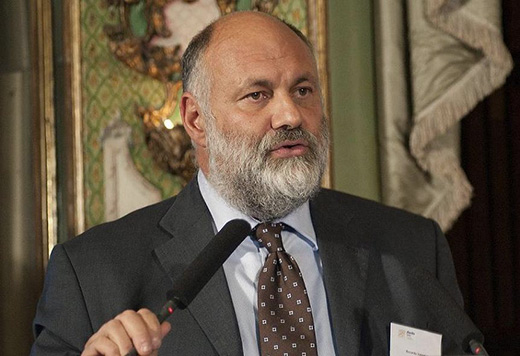
Professor at the University of Tuscia; Senior Researcher at the CMCC Foundation; contributor to the work of the IPCC, awarded the 2007 Nobel Peace Prize
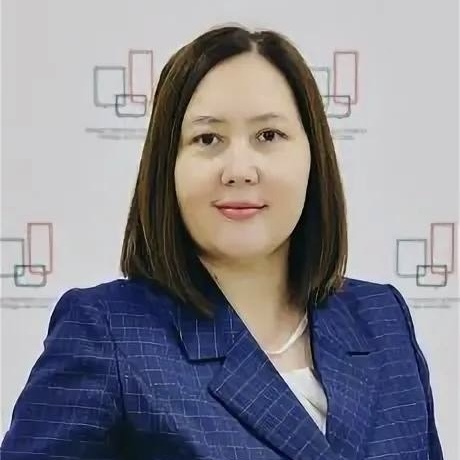
Director of the Agrarian and Technological Institute, RUDN University
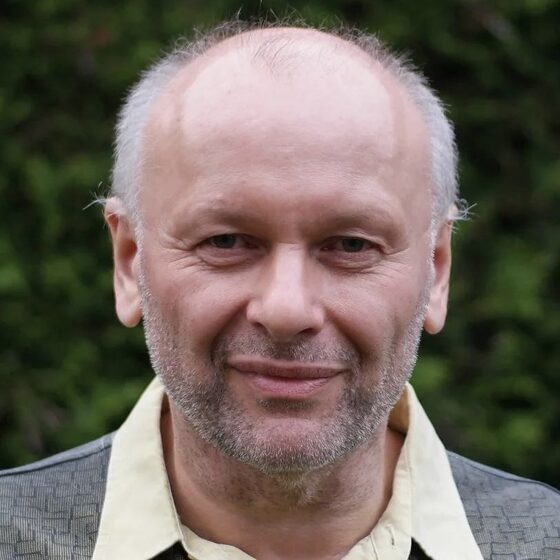
Professor at RUDN University and Georg-August University of Göttingen
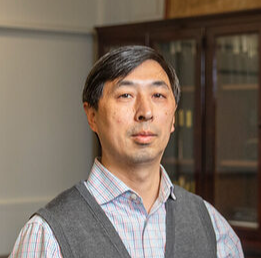
Professor at Brooklyn College, City University of New York
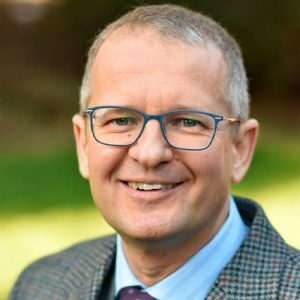
Professor at the University of Tarapacá
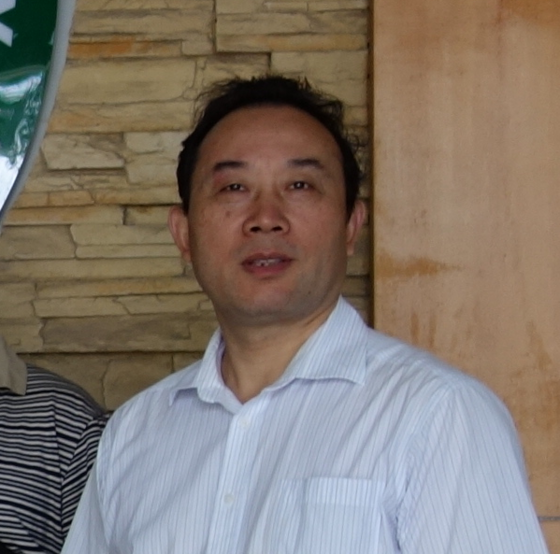
Professor at Nanjing Forestry University
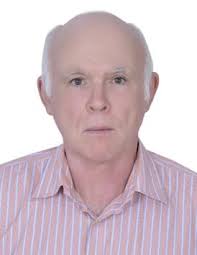
Professor at Sultan Qaboos University
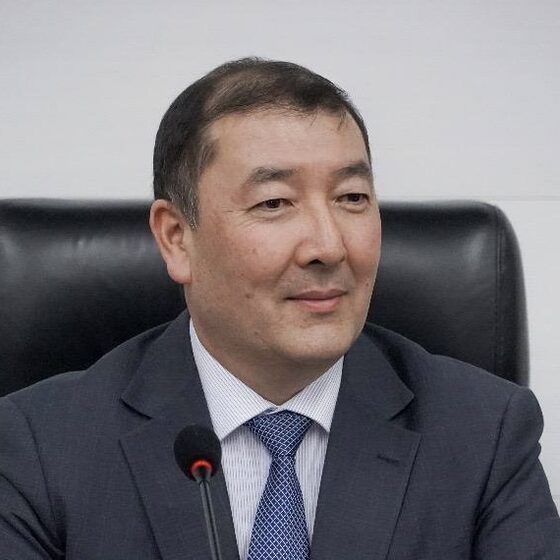
Rector of S. Seifullin Kazakh Agrotechnical Research University
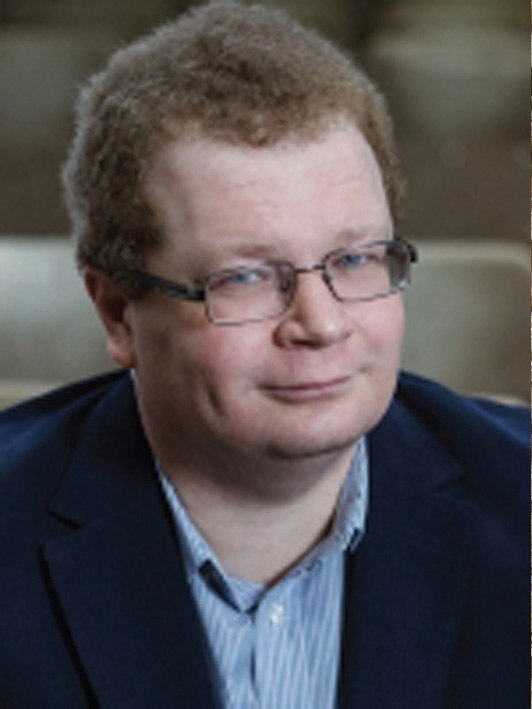
Leading Researcher, Institute of Plant and Animal Ecology, Ural Branch of the Russian Academy of Sciences
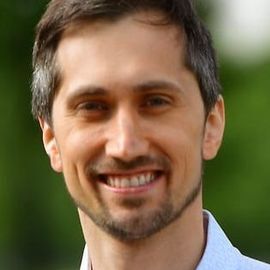
Deputy Director for Research, A. M. Obukhov Institute of Atmospheric Physics, Russian Academy of Sciences
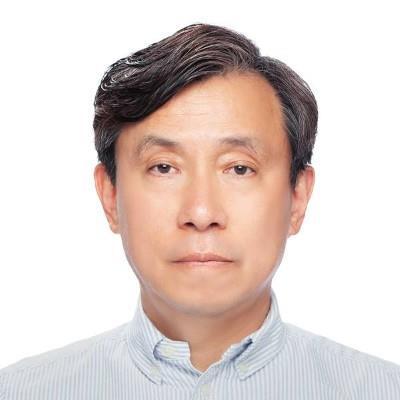
President of SUITMA; Professor at the University of Seoul
Vice-Rector for International Affairs, Ferdowsi University

Director of the Urban Soils Institute
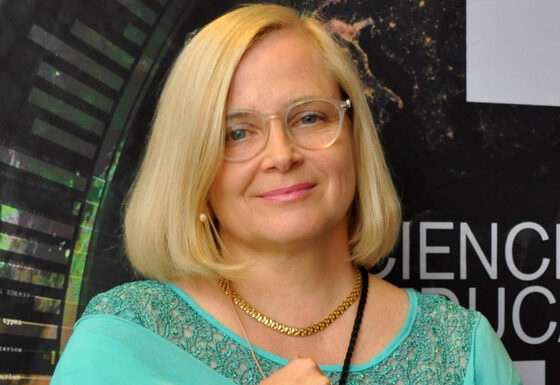
Professor at the University of Western Australia
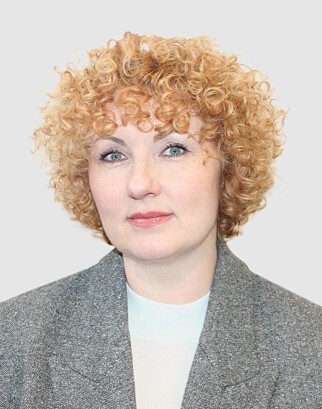
Deputy Head of the Moscow Department of Nature Management and Environmental Protection
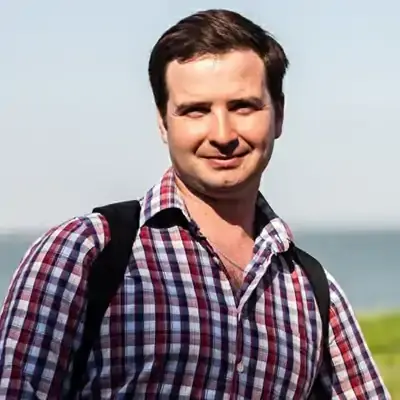
Head of Laboratory and Professor, Agrarian and Technological Institute, RUDN University
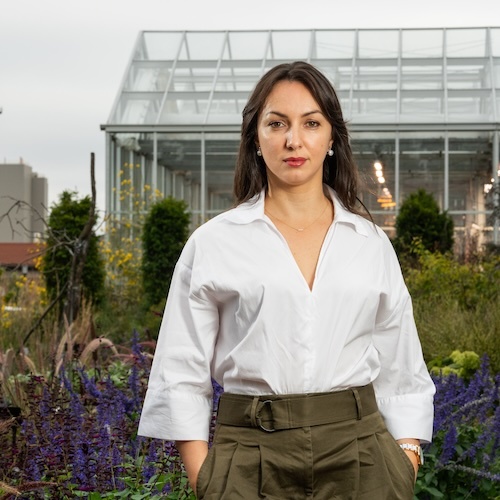
Clinical Assistant Professor at Purdue University
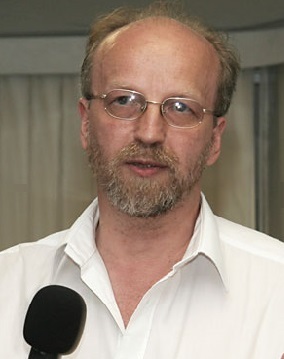
Russian State Hydrometeorological University; World Meteorological Organization; University of Copenhagen

Lomonosov Moscow State University; invited talk on heat and thermal comfort in Russian cities
The conference is supported by academic, professional and media partners from Russia and other countries.
 Conference partner
 Conference partner
 IMC Group
  Conference partner
 Conference partner
 Conference partner
 Xi’an Jiaotong University
 Northwest A&F University
 S. Seifullin Kazakh Agrotechnical Research University
 Astana Urban Center
 Ministry of Ecology and Natural Resources of Kazakhstan
 University of Brasília
 University of Tarapacá
 University of Pretoria
 BRICS Network University
For partnership, sponsorship and media cooperation inquiries:
Anna Poznyak-Ibatulina
+7 969 048-52-55
info@ssc-conf.org
Questions about presentations and conference materials
Participant registration and organizational information
Partnerships, media cooperation and press relations